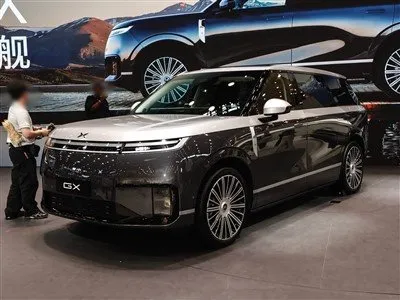
South East Motor Import & Export Company: A Professional EV Charging Products Supplier
Our company was established in 2016 and is headquartered in Chongqing, China. The company's main business is the export of complete vehicles and auto parts. Our advantages are specifically reflected in:
Variety of Products
We can provide customers with various types of auto parts and provide complete vehicle export business. Our vehicle exports include new cars, used cars, electric cars, passenger cars, commercial vehicles, etc.
Professional Technical Support
We maintain long-term cooperation with overseas dealers and OEMs, and we can provide overseas automobile market analysis and consultation. No matter what your problem is, you can get professional technical support.
Awesome Services
Our service team collects quality information and assists with after-sales issues. Through overseas field trips to inspect customers, they collect market information in a timely manner to provide customers with more comprehensive services.
Rich Experience
We have exported about 10,000 cars, including new and used cars, unsold cars, electric cars, CKD&SKD cars, etc. We have served customers in various countries and regions around the world, such as the United States, Africa, India, and South Korea, so we have very rich experience.
-
![EV Battery]() EV Battery
EV BatteryFire protection case,shatter-resistant and wear-resistantSupport solar panel charging , AC charging , car charging and type -C charging4 output ports types ,11 output ports, two -way fast
-
![M4F DC FAST CHARGING STATION 80KW 200KW]() M4F DC FAST CHARGING STATION 80KW 200KW
M4F DC FAST CHARGING STATION 80KW 200KWM4F DC fast charging station can be equipped with 1 or 2 connectors , output power from 80kw to 200 kw. It can quickly connect your EV, and charge to 80% or more in about 30
-
![60kW Active Protection Charging]() 60kW Active Protection Charging
60kW Active Protection Charging60kW DC charger is available in both CCS2 and CHAdeMO connectors. It can provide safe, reliable and efficient charging service while monitoring real-time charging status and progress.
-
![180 Kw Charging Station]() 180 Kw Charging Station
180 Kw Charging Station180kW DC charger is available in both CCS2 and CHAdeMO connectors. It can provide safe, reliable and efficient charging service while monitoring real-time charging status and progress.
-
![120KW Support OTA Maintenance Fast Charge]() 120KW Support OTA Maintenance Fast Charge
120KW Support OTA Maintenance Fast Charge120kW DC charger is available in both CCS2 and CHAdeMO connectors. It can provide safe, reliable and efficient charging service while monitoring real-time charging status and progress.


Brief Introduction to EV Charging
EV charging refers to the process of replenishing energy to the battery of an electric vehicle. This is done by connecting the electric car to a charging station or charger. The EV charging products we can provide mainly include electric vehicle batteries and charging stations. Charging stations, also known as electric vehicle charging stations or electric vehicle supply equipment (EVSE), provide electricity to charge electric vehicles. Electric vehicle battery, referred to as EVB, is a battery used in pure electric vehicles or hybrid electric vehicles to supply electric motor energy. Most of them are rechargeable batteries, and currently the most common ones are lithium-ion batteries.
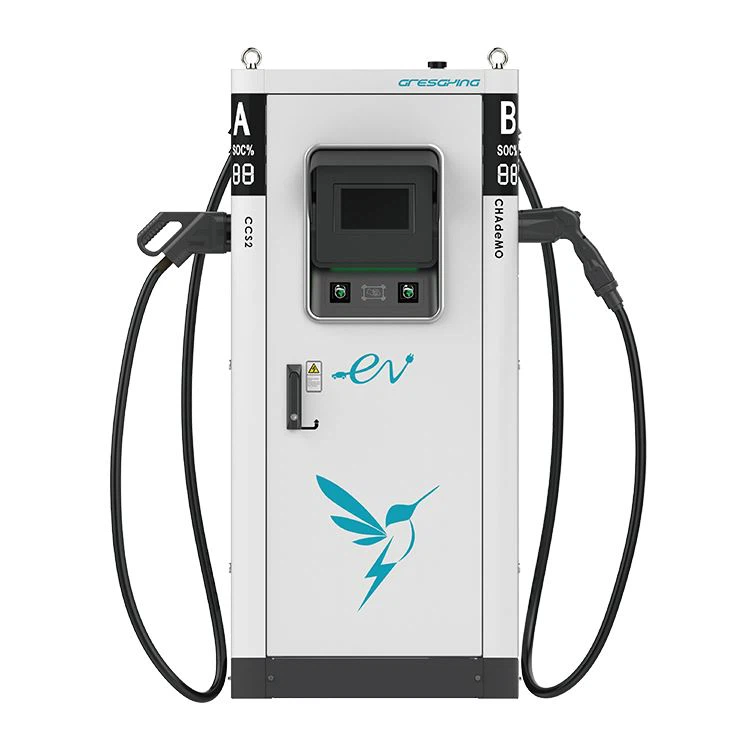
Advantages of EV Battery
*Energy Capacity: Our EV batteries have a high energy-to-weight ratio, making them ideal for use in electric vehicles. They store large amounts of energy and can power an electric vehicle for hundreds of miles before needing to be recharged.
*Quick Charge: Our EV batteries charge quickly, reducing driver downtime and getting them back on the road faster. This is especially important on long journeys.
*Long Lifespan: Compared to other battery types, our EV batteries have a long lifespan, which means they don't need to be replaced as often. Over time, this means lower maintenance costs.
*Low Self-Discharge: Our EV batteries have a low self-discharge rate, allowing them to be stored for long periods of time without losing the stored energy.
Advantages of EV Charging Stations
Safe and Reliable
Electric vehicle charging stations can provide electric vehicle owners with a safe and reliable charging experience. The automatic fault detection system can promptly detect and deal with any problems that may affect the safety of the charging process. It also features a fire-proof and explosion-proof design to avoid fire and explosion risks caused by overheating, short circuit, etc.
Strong Compatibility
The electric vehicle market currently uses different charging standards, including DC (direct current) charging for fast charging and AC (alternating current) charging with lower capacity. Our electric vehicle charging stations are compatible with different types of charging standards to meet different needs.
Fast Charging Technology
Electric vehicle charging stations provide advanced fast charging technology that can charge electric vehicles in a short time. This means you no longer have to wait a long time for the battery to recharge. It is also equipped with a smart charging function that can automatically optimize the charging plan.
Intelligent Management System
Many charging stations are equipped with intelligent charging management systems that can monitor charging station usage, electricity price information, and remotely diagnose and solve problems in real time.
Payment and Identity Verification System
Electric vehicle charging stations integrate a safe and reliable payment system that supports multiple payment methods, as well as an effective identity verification system. This design aims to ensure the security of user information and enable convenient payment.
Network Interconnection Function
Electric vehicle charging stations have network interconnection functions, allowing users to find charging stations through mobile applications or the Internet. They also support real-time monitoring of charging status and provide convenient functions such as remote start and stop of charging.
EV Charging Products Specification (Take 180 KW Charging Station as an Example)
|
Model |
||
|
Model Number |
F3-EU |
|
|
Rated Power |
180kW |
|
|
Input Parameters |
||
|
AC input voltage range |
AC 380V (AC323V~AC437V) |
|
|
AC input current range |
291A (0~342A) |
|
|
Grid types |
TN-S/TN-C/TN-C-S/TT |
|
|
Grid connection |
3P+N+PE |
|
|
Output Parameters |
||
|
Output options |
CCS2 |
CHAdeMO |
|
DC output voltage range |
150V~1000V DC |
|
|
DC output current |
0~200A |
0~125A |
|
Electrical Parameters |
||
|
Peak efficiency |
≥95% |
|
|
Power factor (full load) |
≥0.99 |
|
|
THDi |
≤5% |
|
|
Dynamic Power Distribution |
Yes, min. 30kW switch power |
|
|
Standby Power |
≤99W |
|
Different Types of EV Battery
There are various classifications of EV batteries, and each class of EV batteries will have their own benefits and disadvantages. Here are the EV battery types available today:
● Lithium-ion EV Batteries
This is the common type of EV battery used in most electric vehicles today. Lithium-ion batteries are also the type of battery used in various devices such as smartphones, power banks, etc. It does not harm the environment, is low-cost to manufacture, energy-saving, lightweight and operates at low temperatures.
● Lead-acid EV Batteries
It is a suitable alternative to lithium-ion, but its short life cycle makes it unsuitable as a primary battery for electric vehicles. Lead-acid electric vehicle battery is an electric vehicle battery used for backup power and can be used as an emergency power source for electric vehicles. It doesn't work well in cold temperatures, making it unreliable for winter use.
● Ultracapacitors
This type of electric vehicle battery uses polarized liquid to store energy and is suitable as a secondary power source for electric vehicles. However, it's quite expensive to make and has a short life cycle, which means you can't use this type of EV battery for long periods of time. It works well in cold temperatures, which means many electric car users can use this type of electric car battery as an auxiliary power source in winter.
● Ni-MH EV Batteries
This type of electric vehicle battery is best suited for use in hybrid vehicles. However, there are some EV models that use NiMH EV batteries as their primary power source. It costs more to make, but has a longer life cycle than regular lithium-ion EV batteries and is quite durable over time. However, disadvantages include faster discharge rates and high temperatures during vehicle operation.
Different Levels of EV Charging
There are three levels of electric vehicle charging: Level 1, Level 2 and Level 3. There are differences between each charging level. However, generally speaking, the higher the level, the higher the power output of the charger and the faster the charging speed.
01
Level 1 EV Charging
Level 1 EV charging uses the slowest EV chargers and delivers 1 kW to 1. 8 kW of power through a standard 120-volt AC outlet. Level 1 EV charging is available in North America and uses a standard 3-prong household plug on one end and a J1772 (Type 1) electric vehicle connector on the other, which plugs into the vehicle. Level 1 chargers are not available in Europe as standard residential electricity is 230 volts.
02
Level 2 EV Charging
Level 2 EV charging is much faster than Level 1. Level 2 chargers have a maximum power of 19.2 kW (80A) in North America and 22 kW in Europe. Level 2 chargers can be equipped with various additional functions and features such as RFID cards, load balancing and OCCP (Open Charge Point Protocol) network. Level 2 charging stations can be equipped with a tethered charging cable (hardwired to the charging station) or without a tethered charging cable and just use an outlet (where the charging cable is plugged in). Currently, Level 2 EV charging is the most common level of EV chargers installed globally.
03
Level 3 EV Charging
Level 3 EV charging, also known as DC fast charging, is significantly faster than Level 2 EV charging. Level 3 charging stations are the fastest and most powerful electric vehicle charging options on the market. Level 3 charging stations use three-phase power, 480 volts in North America and 400 volts in Europe, and the chargers are capable of delivering more than 360 kW. Level 3 charging stations also come with various functions and features such as dynamic power distribution, multi-charging protocol cables and networking via 0CPP. There are stationary Level 3 chargers and portable Level 3 charging stations available.

5 Clear Signs that You Need to Get Your EV Battery Checked
The following information will teach you how to tell if your electric car battery is faulty so you can check or replace it promptly.
Your Battery is Likely Old
You can tell if your battery is old by checking the voltage levels. A healthy battery should have a voltage of 12.6 or higher. If your battery falls below this threshold, it will need to be replaced. However, it's a good idea to check first to make sure the battery is indeed old.
01
Your Car Doesn't Start as It Used to in the Morning
If your car has difficulty starting in the morning, the battery may be to blame. This is one of the first signs of battery failure. If your car has been experiencing this problem for a while, it may be time for a new battery.
02
You Frequently Have to Jump Start Your Car
If you need to start your car more often than usual, there may be something wrong with your battery. A healthy battery should be able to hold a charge and allow the car to start without a jump. If your battery fails, you may need to check it as soon as possible.
03
Slow Engine Turnover is Another Sign
If your engine takes a long time to turn over, it may be because your battery isn't providing enough power. Other issues can also cause this issue, but if it occurs along with the other symptoms mentioned in this article, your battery may be at fault.
04
Your Battery Case is Bulging
If you notice a bulge in the battery case, it means the battery inside has expanded and is about to rupture. This condition can also cause a fire hazard, so be sure to replace the battery with a new one if you notice this symptom.
05
5 Reasons Why Installing a EV Charging Station at Home is the Smartest Move You Can Make for Your EV
Save Time
The number one reason to have a charging station at home is that it helps you save time. When you have a charging station at home, you can fully charge your vehicle's battery before leaving the garage, and the vehicle will be ready to go when you leave the garage. You don't have to wait in queues at public stops and, of course, you can forget about any possible downtime or having to find available charging points.
Saves Money in the Long Run
It may seem like a significant investment when you install a home charging station, but in the long run, it's nothing compared to the cost of using a public charging station. Research shows public charging costs can be 400% higher compared to home charging rates. By installing a home charging station, you will save significant money over time on vehicle charging costs.
Faster Charging at Home
Charging rates at public charging stations vary. Fast charging speeds are typically 50 kW, with some charging up to 350 kW. While these rates may seem high, they don't beat the convenience of home charging. When you install a charging station in your home, you can enjoy faster charging speeds, depending on the station's capacity. You can install one to charge your vehicle at up to 2 kW, which is much faster than charging through a socket.
Increased Home Value
Installing a charging station in your home will not only benefit you, but it will also increase the value of your home if you decide to sell. According to the National Association of Realtors, more than 80% of U.S. homebuyers say they would prefer to own a home that already has an electric vehicle charging station installed. Additionally, electric vehicle charging stations can increase home value by an average of $15,000.
Reducing Carbon Footprint
Charging your electric car at home is simpler and more environmentally friendly than charging at a public charging station. Although electric vehicles emit no pollutants, standard grid charging still relies on non-renewable energy sources. But when you install a solar panel system on your home, you pay for all charging costs with zero emissions.

Strategic Partners
Our company has rich OEM resources and strategic cooperation brands:

Vehicle Export
Since 2016, SEM has exported around 10000 units of vehicles, Including new and used vehicle, unsold vehicle, electric vehicle, CKD&SKD vehicle etc.
FAQ
Q: How fast is DC electric vehicle fast charging?
Q: What is the input voltage of the DC fast charger?
Q: How much does a DC fast charger cost?
Q: Is a DC fast charger right for me?
Q: How fast is Level 2 charging?
Q: What is the input voltage to a level 2 charging?
Q: What is the power output of a Level 2 charging?
Q: Is a Level 2 charging right for me?
Q: When should I replace my electric car battery?
Q: Why do electric car batteries need to be replaced?
Q: How much does it cost to replace an electric car battery?
Q: How to make electric car batteries last longer?
Q: Where can I replace an electric car battery?
Q: Can electric car batteries be recycled?
Q: Which battery is most used in EV?
Q: What is the battery life of an EV battery?
We're professional ev charging enterprises in China, specialized in providing high quality customized service. We warmly welcome you to wholesale second hand ev charging in stock here and get quotation from our company. Quality products and low price are available.