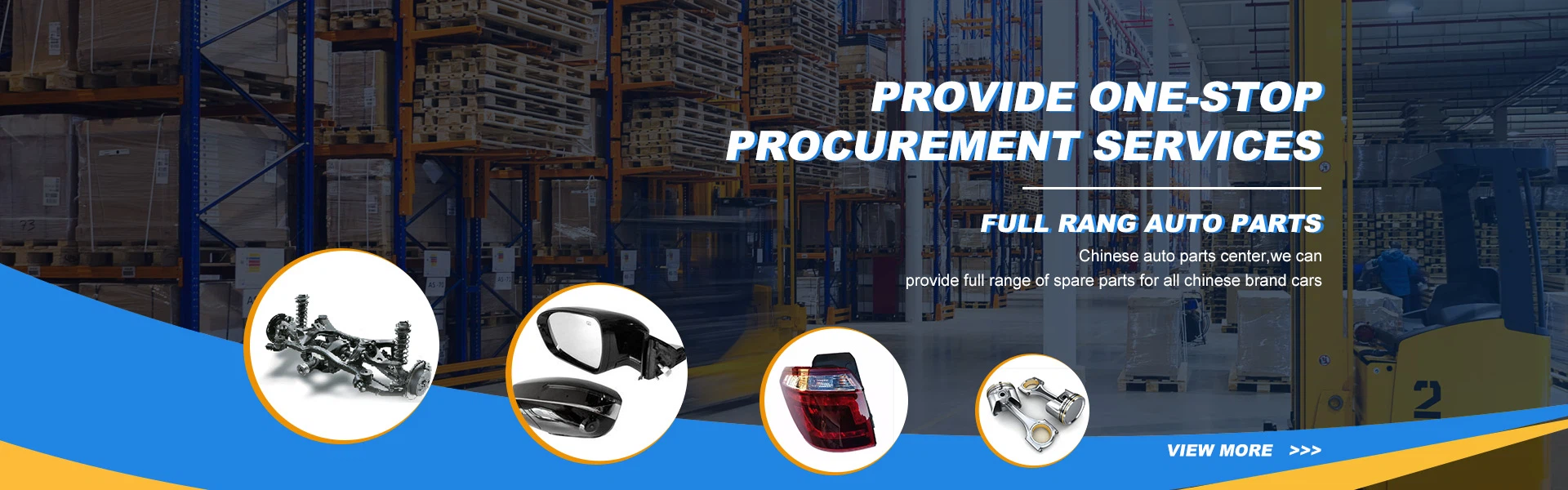
South East Motor Import & Export Company: A Professional Auto Spare Parts Supplier
Our company was established in 2016 and is headquartered in Chongqing, China. The company's main business is the export of complete vehicles and auto parts. Our advantages are specifically reflected in:
Variety of Products
We can provide customers with various types of auto parts and provide complete vehicle export business. Our vehicle exports include new cars, used cars, electric cars, passenger cars, commercial vehicles, etc.
Wide Applications
We maintain long-term cooperation with overseas dealers and OEMs, and we can provide overseas automobile market analysis and consultation. No matter what your problem is, you can get professional technical support.
Professional Technical Support
Our service team collects quality information and assists with after-sales issues. Through overseas field trips to inspect customers, they collect market information in a timely manner to provide customers with more comprehensive services.
Rich Experience
We have exported about 10,000 cars, including new and used cars, unsold cars, electric cars, CKD&SKD cars, etc. We have served customers in various countries and regions around the world, such as the United States, Africa, India, and South Korea, so we have very rich experience.
-
![FOTON® AUCAN Series Diesel Engine – Light Vehicle]() FOTON® AUCAN Series Diesel Engine – Light Vehicle
FOTON® AUCAN Series Diesel Engine – Light VehicleInnovational design of upper/lower double layer cylinder head water jacket with upgraded cooling performance, higher durability and reliability. Cutting-edge technology and material applied for...
-
![ISF Series Diesel Engine – Light Vehicle]() ISF Series Diesel Engine – Light Vehicle
ISF Series Diesel Engine – Light VehicleIdeal power solution for light vehicles with exceptional performance and low operating cost, with reliability and durability, featuring with stiffer block, composite oil pan, valve cover and rear...
-
![SEMOTO® 4Y Series Gasoline Engine – Light Vehicle]() SEMOTO® 4Y Series Gasoline Engine – Light Vehicle
SEMOTO® 4Y Series Gasoline Engine – Light VehicleAdopting matured TOYOTA technology with great reliability & eco-friendly economic features, multiple fuel system, applied to meet different emission level, suitable for variety of light truck...
-
![SEMOTO® 4JB1 Series Diesel Engine]() SEMOTO® 4JB1 Series Diesel Engine
SEMOTO® 4JB1 Series Diesel EngineSEMOTO® 4JB1 series Diesel engine – light vehicle. Adopting matured ISUZU technology, high reliability, stability and economic features, compact design with strong power output, easy maintenance...
-
![Car Interior Rear View Mirror]() Car Interior Rear View Mirror
Car Interior Rear View MirrorOriginal exterior rearview mirror,The reversing mirror is smooth and bright,The product adopts ABS material frame, L represents left, R represents right
-
![Auto Air Conditioning Compressor]() Auto Air Conditioning Compressor
Auto Air Conditioning CompressorOur company was established in 2016 and is headquartered in Chongqing, China. The company's main business is the export of complete vehicles and auto parts. Our advantages are specifically...
-
![Auto Air Conditioning Compressor]() Auto Air Conditioning Compressor
Auto Air Conditioning CompressorAuto Air conditioning compressor for Volkswagen Passat Magotan Huiang
-
![High Voltage Battery Charger]() High Voltage Battery Charger
High Voltage Battery ChargerHigh Performance New Energy Vehicle Parts Car High Voltage Battery Charger 1EA915684BG 1EA915684BC, for VW-ID.4.
-
![Car Air Filter for Changan]() Car Air Filter for Changan
Car Air Filter for ChanganOriginal air filter high efficiency filtration.
-
![Automotive Brake Light Switch]() Automotive Brake Light Switch
Automotive Brake Light SwitchPure Original Stop light switch,Low noise,Quality assurance, not easy to burning out.
-
![Brake Discs Pads and Brake Shoe for Cars]() Brake Discs Pads and Brake Shoe for Cars
Brake Discs Pads and Brake Shoe for CarsRear brake shoe with friction plate assembly,Generally replace the brake shoe after 50000~80000 km.
-
![Clutch Kit for Car]() Clutch Kit for Car
Clutch Kit for CarWe provide the original three piece clutch set for various models.


Brief Introduction to Auto Spare Parts
Auto spare parts are one that can be used to replace the damaged parts of the machine with usable parts. It is usually kept as inventory and can be used to repair multiple car units that need to be upgraded or replaced. They are an important part of supply chain management and play an important role in automotive engineering. There are many types of auto parts.

Benefits of High Quality Auto Spare Parts
Investing in high-quality automobile spare parts ensures the durability of the components. These components are manufactured with precision and undergo rigorous testing to ensure their longevity. Therefore, they are more durable and reliable than cheaper alternatives. These spare parts are built to last and can withstand the wear and tear of everyday use, reducing the need for frequent replacements.
High-quality automobile spare parts provide better performance for your vehicle. They are designed to fit your car perfectly and provide a superior driving experience. When your car is equipped with great quality automobile products, you will notice a significant improvement in the vehicle's performance. The engine runs more efficiently, the brakes respond better, and the car handles better.
Investing in high-quality automobile components can save you money in the long run. While such parts may be more expensive upfront, they can save you money by reducing the need for frequent repairs and replacements. Cheaper spare parts may break down more often, requiring more maintenance and repairs and increasing costs over time.
Safety is a top priority for any vehicle owner. Investing in high-quality automobile spare parts ensures your vehicle is safe and reliable. The components undergo rigorous testing to ensure their safety and are designed to meet or exceed industry standards. Cheaper alternatives may compromise the safety, putting you and your passengers at risk.
Investing in premium quality automobile spare parts can improve the resale value of your vehicle. When it comes time to sell your car, having good components can make it more attractive to potential buyers. Buyers are willing to pay more for a well-maintained vehicle with high-quality components, improving the resale value of your vehicle.
High-quality automobile spare parts are designed to fit your vehicle perfectly, making them easy to install and use. Cheaper alternatives may require more time and effort to install, leading to frustration and inconvenience. Good quality components are designed to work seamlessly with your vehicle, making them easy to use and maintain.
Superior automobile spare parts also provide customizable options. With a wide range of options available, you can choose components that best suit your needs and preferences. This allows you to customize your vehicle to your liking, improving your driving experience.
High-quality automobile spare parts come with better warranties than cheaper alternatives. This provides additional protection and peace of mind in case of any defects or problems with the spare parts. The spare parts manufacturers stand behind their products and offer better warranties, saving you money on future repairs or replacements. This means you can trust the manufacturer to stand by their products and ensure you receive the best quality components for your car.
Auto Spare Parts Specification (Take Auto Air Conditioning Compressor as an Example)
|
Product Name |
Auto Air Conditioning Compressor |
|
OE NO. |
same as original |
|
Condition |
New |
|
Warranty |
1 year |
|
Place of Origin |
Chongqing,china |
|
Voltage |
12V-24V |
|
Car Model |
Volkswagen Passat Magotan Huiang |
|
Model Number |
Volkswagen Passat Magotan Huiang |
|
Product Name |
Auto Air conditioning compressor |
|
Car Make |
AC Compressor Universal |
|
Quality |
100% Tested |
|
Packing |
Carton Packing |
|
DELIVERY TIME |
3-7 Days |
|
MOQ |
1 PCS |
|
Payment |
TT/PayPal/Western Union/Trade Assurance |
|
Shipping |
AIR SEA Express Delivery |
Some Common Auto Spare Parts
Here are some common auto spare parts:
Brake Pads
These are the components that press against the brake disc or rotor to slow down or stop the vehicle. They are made of heat-resistant material to prevent wear and tear.
01
Air Filters
These components clean the air that enters the engine to prevent dust and debris from entering and damaging the engine. Air filters are needed to be replaced regularly to ensure optimal performance.
02
Oil Filters
These components remove contaminants from the engine oil to prevent damage to the engine. They need to be replaced regularly to prevent build-up of sludge and debris in the engine.
03
Spark Plugs
These components ignite the fuel-air mixture in the engine to power the vehicle. They need to be replaced periodically to ensure optimal engine performance.
04
Timing Belts
These belts synchronize the movement of the camshaft and the crankshaft in the engine, which is crucial for the proper functioning of the engine. They need to be replaced at regular intervals to prevent failure.
05
Radiators
These components cool the engine by circulating coolant through the engine and dissipating the heat. They need to be replaced if they become damaged or clogged.
06
Batteries
These components provide the electrical energy necessary to start the vehicle and power the electrical systems. They need to be replaced periodically when they no longer hold a charge.
07
Tires
These components provide the necessary traction to keep the vehicle moving on the road. They need to be replaced when they become worn or damaged.
08
Alternators
These components generate electricity to recharge the battery and power the electrical systems while the vehicle is running. They need to be replaced if they fail or become damaged.
09
Belts and Hoses
These components transfer power and fluids throughout the vehicle, including the power steering system, air conditioning system, and engine cooling system. They need to be replaced if they become damaged or worn out.
10
Essential Auto Spare Parts You Must Know About
There are various types of auto spare parts available for purchase. For example, replaceable options could be nuts, gears, bolts, automotive electrical components, engines, brakes, fuel lines, tanks, and other related components. We provide you some key car spare parts uses as follows:
*Engine: Among all the important parts of a car, the engine is the heart of the car. The engine needs to run smoothly at all times without periodic heating. Different machines are placed in separate vehicles such as electric engines, three-stroke, four-stroke cylinder engines, etc. Check the engine regularly and make sure the "check engine" light is working properly. It helps to know if the engine is in good condition.
*Drive Axle: Drive axle is the part that helps the vehicle move by stimulating power from the transmitter to the car's four (or more) tires. This power is transferred to it from the engine. Pay attention to your driveshaft, as continued wear and tear may shorten the life of the transmitter or the shaft itself.
*Gearbox: Gearboxes are divided into two categories: automatic and manual. As of today, most cars are equipped with automatic gearbox, which is more convenient and easier to use. However, it also has its drawbacks. In the case of an automatic transmission, the gears grind and slip more and gearbox errors sometimes occur.
*Brakes: One of the most important parts of your car. We know all too well what happens when a vehicle's brakes fail. To ensure you never end up in a regrettable situation, check your brakes regularly and be aware of even the slightest inconvenience.
*Oil Filter: Last but not least, an oil filter is a necessity and without it, the vehicle can suffer tremendous wear and tear and eventually lose its durability. The purpose of engine oil is to lubricate the moving parts inside your car. Oiling ensures friction-free movement in all aspects of the machine, ensuring reduced wear over long periods of travel.
Things to Consider When Buying Auto Spare Parts
Look for Make and Model
Before buying any spare parts, make sure you know the make and model of your car. Different makes and models have different requirements, so using a generic replacement may not work properly on your vehicle.
Verify Year of Manufacture
The year of manufacture is also an important factor when choosing spare parts. Car manufacturers often make changes year after year, which means some components may not be compatible with older models.


Check Part Type and Size
Your car part type and size are key factors in determining which spare parts will fit your vehicle. For example, if you have a diesel engine, you will need different components than a gasoline engine.
Consult a Professional Mechanic or Dealer
If you're not sure which spare parts are compatible with your car, ask a professional mechanic or dealer. They have extensive automotive knowledge and can help you determine which component is best for your vehicle.
Compare Costs
Try not to pick the part you need based on the first price you find. Expand your search and check out prices from several larger companies, as well as online spoilers, classifieds, and more. If you do find a product that's cheaper than the listed price from a reputable retailer, don't hesitate to contact them and ask for a price match.
Inquiring about Guarantees
The accessibility of the guarantee is an important factor to consider. Car owners should inquire about the dealer's purchasing methods and conditions, such as after-sales service. This is necessary because if the accessory doesn't perform to its capabilities, the owner is free to take it back for a trade or discount.


High Strength
We offer a variety of transmission components, including sprockets, roller chains, gears, couplings, racks, hubs, pulleys, taper sleeves, bearing seats, and more.
Professional
We offer a variety of transmission components, including sprockets, roller chains, gears, couplings, racks, hubs, pulleys, taper sleeves, bearing seats, and more.
Auto Parts Maintenance Checklist
Regular vehicle maintenance not only helps avoid breakdowns and expensive repairs, it also ensures optimal performance and fuel economy. Here is a list of some car parts maintenance:
1. Engine Maintenance
*Check the Engine Oil: Use the dipstick to check the engine oil level regularly. If insufficient, use the required type of oil as directed in your car's manual.
*Replace the Oil Filter: Replace the oil filter after every oil change to ensure pure oil circulation and avoid engine damage.
*Check and Replace Air Filter: A clogged air filter can restrict engine ventilation, reducing performance and fuel economy. Check frequently and replace as necessary.
*Check Coolant Level: Coolant helps regulate the temperature of your engine. Make sure the coolant level is within specifications and top up as needed.
*Check and Replace Spark Plugs: Worn spark plugs can cause misfires and reduced fuel efficiency. Check regularly and replace according to manufacturer's instructions.
2. Batteries and Electrical Systems
*Check the Battery Terminals: Make sure the battery terminals are spotless and free of corrosion. Corroded terminals can cause electrical difficulties and affect the battery's performance.
*Disinfect Battery Connections: If there is corrosion on the battery terminals, disinfect them with a mixture of baking soda and water. This will help maintain a strong electrical connection.
*Check and Replace Batteries if Necessary: A weak or old battery may suddenly fail. Check the condition of the battery and replace it if there are signs of degradation.
*Check Electrical Components: Regularly inspect headlights, taillights, indicators and other electrical components to verify they are working properly.
3. Tires and Wheels
*Check Tire Pressure: Maintaining correct tire pressure improves fuel economy and extends tire life. Monitor pressure frequently using a tire pressure gauge.
*Check Your Tire Tread: Bald or unevenly worn tires can compromise your car's control and safety. Check the tread depth and consider replacing the tires if they are worn.
*Rotate Your Tires: Rotating your tires helps promote even wear and extend their life. Follow the prescribed rotation pattern specified by the vehicle manufacturer.
*Wheel Alignment and Balance: Wheel misalignment can cause uneven tire degradation and affect your car's handling. Adjust and balance wheels frequently.
4. Brake
*Check the Brake Fluid Level: Make sure the brake fluid level is between the minimum and maximum indications on the reservoir. Top up as needed, but verify your car's manual has the appropriate brake fluid type.
*Check Brake Pads and Rotors: Worn brake pads and damaged rotors can limit your car's braking performance. Assess them regularly and replace them as needed.
*Demo Braking Performance: Take your car on a demo trip to evaluate braking performance. Watch for any unusual noise, vibration, or changes in braking performance.
5. Lights and Signals
*Check Headlights, Taillights and Indicator Lights: Regularly check that all lights are spotless and not broken or damaged.
*Test All Lights and Signals: Turn on all lights and signals to verify they are functioning properly. Replace any non-functioning light bulbs.
*Replace Lights When Necessary: If you find any burned out bulbs, replace them immediately to maintain visibility and safety on the road.
6. Liquid Level
*Check Transmission Fluid: Transmission fluid is essential for seamless shifting. Check fluid level and condition regularly and refill or replace as needed.
*Check Power Steering Fluid: Adequate power steering fluid is required for effective steering. Check the fluid level and top up if necessary.
*Check Windshield Washer Fluid: Make sure the windshield washer fluid reservoir is filled to maintain clear visibility while driving.
7. Belts and Hoses
*Check the Drive Belt: Check the quality and tension of the drive belt. Replace any worn or damaged belts to avoid damage to the engine.
*Check Radiator and Heater Hoses: Check hoses for leaks, breaks, or bulges. Replace any damaged hoses to avoid refrigerant leaks and overheating.
*Replace Worn Belts and Hoses: Regularly replace belts and hoses that show symptoms of wear and strain to prevent unexpected failure.
8. External and Internal Maintenance
*Clean and Varnish the Exterior: Clean your car regularly to remove debris, dirt and road dust. Applying wax protects the paint and gives it a shine.
*Check your Windshield Wipers: Check the condition of your windshield wipers and replace them if they are damaged or stained.
*Interior Cleaning and Disinfection: Clean carpets and seats frequently to keep the interior clean. Wipe surfaces with a mild detergent to keep the interior fresh and tidy.
Strategic Partners
Our company has rich OEM resources and strategic cooperation brands:

Vehicle Export
Since 2016, SEM has exported around 10000 units of vehicles, Including new and used vehicle, unsold vehicle, electric vehicle, CKD&SKD vehicle etc.

Ultimate Guide
Q: What is the diesel engine in a car?
Q: What are the three main types of diesel engines?
Q: Are diesel engines easy to repair?
Q: Why do diesel engines last longer?
Q: What can damage diesel injectors?
Q: How often should diesel engines be serviced?
Q: How much does it cost to replace a car air filter?
Q: What system is the air filter a part of in a car?
Q: What happens to a car with a bad air filter?
Q: Can I replace the engine air filter myself?
Q: Does car air filter affect AC?
Q: Can I clean my air filter instead of replacing it?
Q: Is it possible to run a car engine without an air filter?
Q: Should I replace all 4 brake pads at once?
Q: Are rear and front brake pads the same?
Q: Can I drive with worn brake pads?
Q: How to check brake pads?
We're professional auto spare parts enterprises in China, specialized in providing high quality customized service. We warmly welcome you to wholesale second hand auto spare parts in stock here and get quotation from our company. Quality products and low price are available.