South East Motor Import & Export Company: a Professional Electric Vehicles Supplier
Our company was established in 2016 and is headquartered in Chongqing, China. The company's main business is the export of complete vehicles and auto parts. Our advantages are specifically reflected in:
Variety of Products
We can provide customers with various types of auto parts and provide complete vehicle export business. Our vehicle exports include new cars, used cars, electric cars, passenger cars, commercial vehicles, etc.
Professional Technical Support
We maintain long-term cooperation with overseas dealers and OEMs, and we can provide overseas automobile market analysis and consultation. No matter what your problem is, you can get professional technical support.
Awesome Services
Our service team collects quality information and assists with after-sales issues. Through overseas field trips to inspect customers, they collect market information in a timely manner to provide customers with more comprehensive services.
Rich Experience
We have exported about 10,000 cars, including new and used cars, unsold cars, electric cars, CKD&SKD cars, etc. We have served customers in various countries and regions around the world, such as the United States, Africa, India, and South Korea, so we have very rich experience.
-
![2026 Avatr 12 BEV Sedan]() 2026 Avatr 12 BEV Sedan
2026 Avatr 12 BEV Sedan2026 model Avatr 12 BEV(Battery Electric Vehicle)Mid-to-Large Size sedan The 2026 new Avatr 12 BEV is equipped with a roof-mounted LiDAR and features the "Qiankun Intelligent Driving...
-
![Xiaomi YU7 2026 Standard Edition All Electric SUV]() Xiaomi YU7 2026 Standard Edition All Electric SUV
Xiaomi YU7 2026 Standard Edition All Electric SUVThe All‑New Xiaomi YU7 Standard Edition 2026 is the entry‑level 5‑door, 5‑seat full‑size battery‑electric SUV within the YU7 model range. It adopts rear‑wheel‑drive single‑motor layout, paired...
-
![2026 Jetta VS8 Mid-size SUV]() 2026 Jetta VS8 Mid-size SUV
2026 Jetta VS8 Mid-size SUV2026 Jetta VS8: Empowered by MQB EVO Platform, A New Benchmark for Intelligent German-Built Mid-Size SUVs As the flagship mid-size SUV of FAW-Volkswagen's Jetta brand, the 2026 Jetta VS8 is built...
-
![Avatr 07 2026 Ultra BEV 4WD]() Avatr 07 2026 Ultra BEV 4WD
Avatr 07 2026 Ultra BEV 4WDThe Avatr 07 2026 Ultra BEV 4WD builds an all-scenario safety net with Huawei ADS 3.0 intelligent driving and a 192-line LiDAR, achieves 10.2-minute ultra-fast charging via the 800V high-voltage...
-
![ROX ADAMAS 2026 SUV]() ROX ADAMAS 2026 SUV
ROX ADAMAS 2026 SUVExterior design, the 2026 ROX ADAMAS SUV largely retains its iconic styling. Boasting a robust body silhouette and a commanding presence, its boxy shape even echoes the classic Land Rover...
-
![Xiaomi Yu7 GT 2026 EV SUV]() Xiaomi Yu7 GT 2026 EV SUV
Xiaomi Yu7 GT 2026 EV SUVProcurement Notice for All-New Xiaomi YU7 GT EV (1) The 2026 Xiaomi YU7 GT (LHD) will be available for pre-sale soon. (2) We are an authorized overseas exporter of Xiaomi vehicles. Currently, we...
-
![2026 Skyworth EV6 BEV]() 2026 Skyworth EV6 BEV
2026 Skyworth EV6 BEV2026 Skyworth EV6 BEV Mid--size SUV 2026 Skyworth EV6 a dynamic pure electric mid-size SUV that fuses robust performance, luxurious comfort, smart connectivity and wellness-focused design, built...
-
![Avatr 12 2026 Model Royal Theater Edition]() Avatr 12 2026 Model Royal Theater Edition
Avatr 12 2026 Model Royal Theater EditionAvatr 12 2026 Model Royal Theater Edition--BEV all electric sedan The Avatr 12 2026 Model Royal Theater Edition embraces the design philosophy of " Hidden Edge in Elegance " -its refined...
-
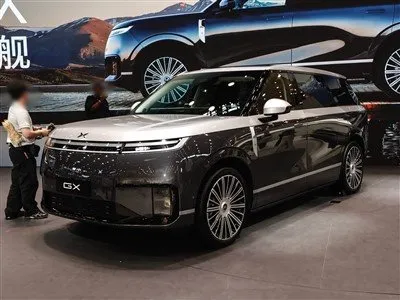
![Xpeng GX 2026 All-Electric 750 4WD Ultra SUV]() Xpeng GX 2026 All-Electric 750 4WD Ultra SUV
Xpeng GX 2026 All-Electric 750 4WD Ultra SUV2026 Xpeng GX All-Electric 750 Four-Wheel Drive Ultra, Large SUV, 5-door 6-seater Top-tier Chassis Configuration Full Standard Equipment ,2026 Xpeng GX comes standard with steer-by-wire,...
-
![2026 Avatr 06T Max Dual-Motor Extended Range Version]() 2026 Avatr 06T Max Dual-Motor Extended Range Version
2026 Avatr 06T Max Dual-Motor Extended Range Version2026 Avatr 06T Max Dual-Motor Extended Range Version Brand new |Official Brand Authorization | Direct Factory Shipment | NO 180-Day Waiting Period 1.We hold official brand authorization, vehicles...
-
![Avatr T09 2027 PHEV 5-door 6-seat SUV]() Avatr T09 2027 PHEV 5-door 6-seat SUV
Avatr T09 2027 PHEV 5-door 6-seat SUVProducts Description The Avatr T09 Concept is the debut model of Avatr's flagship line, combining top-tier technology from Changan, Huawei and CATL. Chen Zhuo, Chairman of Avatr Technology,...
-
![ROX JISHI 01 4WD Off-Road SUV]() ROX JISHI 01 4WD Off-Road SUV
ROX JISHI 01 4WD Off-Road SUVROX JISHI 01 4WD Off-Road SUV The ROX JISHI 01 is equipped with a dual-motor four-wheel-drive system combined with electric AWD, offering a minimum ground clearance of 205 mm when fully loaded...


Brief Introduction to Electric Vehicles
An electric vehicle (EV) is a vehicle that uses one or more electric motors for propulsion. It can be powered by a collector system, using electricity from an external source, or it can be powered autonomously by batteries (sometimes charged by solar panels, or using fuel cells or generators to convert fuel into electricity). Electric cars have lower running costs because they have fewer moving parts to maintain and are very environmentally friendly because they use little or no fossil fuel (petrol or diesel).
Main Components of Electric Vehicles
*Battery (Full Electric Auxiliary): When the vehicle is powered by electricity, the auxiliary battery powers the vehicle's accessories.
*Charging Port: To charge the traction battery pack, the vehicle can use the charging port to connect to a charging cable.
*DC/DC Converter: DC/DC converters are used to operate vehicle accessories and charge auxiliary batteries, converting higher voltage DC power from the traction battery pack to lower voltage DC power.
*Electric Traction Motor: The wheels of an electric vehicle are driven by a traction motor, which draws energy from the traction battery pack. Some cars use an electric motor-generator that is both a driver and a regenerator.
*On-board Charger: To charge the traction battery, the on-board charger converts AC power input from the charging port into DC power. Additionally, as the battery pack charges, it tracks battery characteristics such as voltage, current, temperature, and state of charge by communicating with the charging device.
*Power Electronic Controller: Power electronic controller controls the speed and torque of the electric traction motor and regulates the flow of electrical energy provided by the traction battery.
*Thermal System (Cooling): This system maintains a safe operating temperature range for the engine, electric motor, power electronics, and other components.
*Traction Battery Pack: Electricity is stored in the traction battery pack and used by the traction motor.
*Electric Transmission: An electric traction motor transfers mechanical energy through a transmission to drive the wheels.
Benefits of Electric Vehicles
Better for Our Planet
One of the biggest advantages of driving EVs is the impact on our environment. Pure EVs have no tailpipe, so they don't emit any exhaust gases, which reduces local air pollution particularly in congested cities.
No Congestion Charge
Some areas are introducing Clean Air Zones with fees designed to discourage polluting vehicles from entering certain areas. A key benefit of an electric car is being exempt from these charges.
Lower Running Costs
On average, an electric car costs less than £1.30 to drive 100 miles (during off-peak hours) vs. £17.16 for a petrol car. There's also cheaper service and maintenance plus low or no vehicle tax.
Better Driving
EVs have more responsive acceleration and regenerative braking when easing off the accelerator. They tend to have a low centre of gravity, which improves handling, comfort and safety.
EV Grants
There are a few schemes that help make a switch to drive electric cars. The government grants include help with charging points at home and at work as well as buying a new EV.
Free Parking
You can often find free, priority or dedicated parking bays for electric cars, positioned with convenient access in mind. For example, in Milton Keynes, there are more than 15,000 city centre bays where electric car drivers can park for free.
Less Noise
EVs are much quieter than petrol and diesel vehicles. In fact, electric cars are so quiet, they are now required by law to have an Acoustic Vehicle Alert System (AVAS) to emit a sound when reversing or travelling below 12mph (19km/h).
Electric Vehicles Specification (Take Avita 07 2026 BEV as an Example)
| Basic Parameters | AvATR 07 2026 Elite BEV(BEV=Battery Electric Vehicle) |
|---|---|
| Manufacturer | Avita Technology |
| Class | Mid-size SUV |
| Energy Type | Pure Electric |
| Launch Time | 2025.09 |
| CLTC Pure Electric Range (km) | 650 |
| Battery Fast Charging Time (hours) | 0.17 |
| Battery Slow Charging Time (hours) | 14.2 |
| Battery Fast Charging Capacity Range (%) | 30-80 |
| Battery Slow Charging Capacity Range (%) | 0-100 |
| Maximum Power (kW) | 252 |
| Maximum Torque (N·m) | 365 |
| Transmission | Electric Vehicle Single-Speed Transmission |
| Body Structure | 5-door, 5-seat SUV |
| Electric Motor (Ps) | 343 |
| Length * Width * Height (mm) | 4825 * 1980 * 1620 |
| Official 0-100km/h Acceleration (s) | 6.3 |
| Maximum Speed (km/h) | 200 |
| Electricity Equivalent Fuel Consumption (L/100km) | 1.68 |
| Curb Weight (kg) | 2315 |
| Maximum Loaded Mass (kg) | 2690 |
Types of Electric Vehicles
To meet various driving requirements, there are 4 different types of electric vehicles.
1. All-Electric Vehicles
Instead of using gasoline, all-electric vehicles (also known as EVs or BEVs) have a sizable battery that powers one or more electric motors. As new models are released, all-electric vehicle ranges increase from 80 to more than 300 miles. When compared to gas-powered vehicles, all-electric vehicles require less maintenance (such as oil changes, smog checks, spark plug changes, and replacing a catalytic converter or other parts that wear out and break down).
2. Plug-in Hybrid Electric Vehicles
Plug-in hybrid electric vehicles (PHEVs) provide both gas-only and electric-only driving—even at relatively high speeds. Plug-in hybrids can travel 20 to 55 miles on electricity alone and emit no emissions while doing so, and they do so with smaller batteries than battery electric vehicles. When the car’s electric range is exhausted, it switches to gas and continues to operate as a typical car would.
3. Electric Vehicles with Fuel Cells
All-electric or plug-in hybrid vehicles use electricity to power their engines, but fuel cell electric vehicles (also known as FCEVs) use electricity differently. Its power system is made up of a stack of numerous cells that chemically combine hydrogen gas from the car’s tank and airborne oxygen to create electricity. Fuel cells have a driving range of 300–400 miles on a single tank and can be refueled at hydrogen fueling stations, which are more prevalent in California. This process takes about five minutes.
4. Hybrid Electric Vehicles
Hybrid electric vehicles (HEVs), sometimes called "self-charging hybrids," use both an internal combustion engine and an electric motor, which uses electricity stored in a battery pack. The main difference between PHEVs and HEVs is that you cannot plug a HEV into an EV charger to charge the battery. Instead, the onboard battery pack is charged by the engine and regenerative braking. The extra power generated by electric motors can allow vehicles to have smaller engines. The battery pack can serve as an auxiliary battery for the car, helping to reduce idling when parked. This allows for better fuel economy and lower emissions compared to cars with conventional engines.
Specs to Consider While Buying an Electric Vehicle
It is crucial to understand the basic functionality of an electric vehicle before buying one. Below are the important specs of an EV, which you should consider before buying an electric vehicle:
Type of Electric Vehicle
First, you need to figure out which type of electric car you want to buy. There are mainly four types of electric vehicles: fully-electric, hybrid electric, plug-in hybrid electric and fuel cell electric. A hybrid electric vehicle does not require any kind of external charging, and fuel cell vehicles are still in its nascent stage.
Driving Range
Driving range of an electric car is nothing but the distance covered by an electric vehicle on a single full charge. The driving range is a crucial factor while buying an EV as the charging infrastructure is still in its developing phase. You might not find as many charging stations as conventional fuel stations, so it is better to buy an electric car with a good driving range.
Type of Battery and Capacity
Modern electric vehicles make use of Lithium-Ion battery packs, which are light and efficient in terms of charging and discharging. You have to also consider the capacity of the battery, which impacts the driving range of an EV. The higher the battery capacity, the better the driving range.
Charging Specifications
It is not only the battery capacity which matters, but the time taken for charging the battery is also crucial in an EV. Usually, an EV comes with charging options such as standard charging and fast-charging. Installing a fast-charger is expensive, but it can charge the battery within a few hours. Normal charging stations can be installed at your home, but it will take a lot of time to fully charge the battery.
Acceleration of EV
Usually, an electric vehicle is on par with IC engine vehicles when it comes to acceleration. Thanks to the instant torque generated by the electric motors, an EV can accelerate very quickly. The acceleration depends on the number of electric motors and the power generated by the electric motors.
Power and Torque
Power of an electric car is the mechanical output provided by the electrical energy, and it is measured in hp. The torque gives you an idea of the acceleration of the EV, and it depends on how powerful the electric motor is. Better torque and power figures make the driving experience enjoyable.
Warranty on Battery
A battery pack is one of the most expensive components of an EV. Usually, manufacturers provide warranty on the battery pack in terms of the driving distance or the amount of time. So, always look out for how much warranty is provided for the battery pack.
Energy Consumption
You have to consider the amount of electricity consumed by an EV to determine the efficiency of the electric vehicle when compared to a conventional car. The energy consumption also determines the running cost of an electric vehicle. Usually, electric cars have very low running cost when compared to IC engine vehicles.
4 Simple Ways to Extend Your Electric Car Battery Longevity
Calendar aging is not the only reason that ages a battery. It is likely to be the key degradation mechanism for electric car batteries, but the state of battery charge and the exposure to extreme temperatures also impact dramatically on battery life.

Minimize Exposure to Extremely High Temperatures When Parked
Exposure to the extreme heat while parking unplugged is when the frequent danger occurs. An automated temperature control system installed in your electric car will needlessly drain your batteries to keep the temperatures down for optimal efficiency. While this performance should only work when your electric vehicle is on the road using its battery, park your electric car in the shade or plug-in so that its thermal management system functions only using grid power, and make sure a stable range of temperatures during operation either.
Minimize the Batteries at 100% State of Charge
Electric cars already have installed with a battery management system that avoids them being charged and discharged at the extreme state of charge. Keeping the state of battery charge, from 0 percent to 100 percent , also improves the performance of the battery life of your vehicle. Even though a full charge will give you the maximum operating time, it is never a good idea for the overall lifespan of your battery.
Avoid Using Fast Charging
If your batteries are soon-to-be die out, using a fast-charging is a great convenience. However, it presses so much current into the batteries in a short period which strains your EV battery and wanes them faster. While it is hard to notice its degradation, eight years of standard charging will give you 10% more battery life compared to 8 years of using fast charging.
Control the Optimal Battery State of Charge During Long Storage
EVs that are parked or stored with an empty or full battery also degrades the battery. If you do not use your electric car often or having a long trip plan, get a timed charger, and plug it in. Leaving your vehicle at 100 percent while parked at a certain place for a long period, the battery will struggle with preserving its state of charge while you are away. One strategy is to set the charger to keep the charge just above the low mark, not filling it up to the maximum capacity, at an average charge level between 25 percent and 75 percent.
4 Situations You May Encounter When Using Electric Vehicles
In addition to the many benefits of electric vehicles, you should also understand the problems you may encounter during use so that you can take countermeasures in advance. The following is for your reference:
1. Batteries Degrade over Time
One of the drawbacks of electric cars is battery life. As with all batteries, capacity decreases over time. Researchers suggest battery capacity decreases by about 2.3% per year. Battery life depends heavily on temperature. One study found that in Florida, where temperatures are higher, batteries lasted an average of 5.2 years. In Alaska's cold climate, they can live up to 13.3 years. Therefore, it is necessary to check the status of your car battery regularly.
2. Climate May Affect Cruising Range
Electric climate control systems have been proven to reduce a vehicle's range if they are inefficient. This is a particular problem when the car is started in low ambient temperatures. Therefore, during the winter, drivers may find that their car's heating system is less efficient. While climate control systems in gasoline and diesel cars are generally not very efficient, they have the benefit of using large amounts of waste heat to heat the cabin.
3. In-car Electronics Failure
From faulty temperature sensors to malfunctioning power doors, many EV drivers have complained about issues with their in-car electronics. Other electronics, such as temperature sensors, are critical to ensuring the battery is operating within safe limits. Therefore, any electronic sensor issues must be flagged and fixed quickly.
4. Battery Catches Fire
Current data shows that electric vehicles are no more likely to catch fire than petrol or diesel vehicles. However, there is one caveat. Once ignited, lithium-ion batteries are so difficult to extinguish that some manufacturers recommend that firefighters let the car burn in a controlled manner rather than try to put out the blaze. Therefore, you should avoid overheating your battery and know what to do if a fire occurs.

Strategic Partners
Our company has rich OEM resources and strategic cooperation brands:

Vehicle Export
Since 2016, SEM has exported around 10000 units of vehicles, Including new and used vehicle, unsold vehicle, electric vehicle, CKD&SKD vehicle etc.
FAQ
Q: When was the first electric vehicle built?
Q: What is the range of an electric vehicle?
Q: What is electric vehicle fast charging?
Q: How do EVs affect the electric grid?
Q: How does the rise of EVs affect natural resources?
Q: Will the cars of the future be electric?
Q: What if my electric car battery dies?
Q: Can an electric car be charged while driving?
Q: Are all electric cars automatic?
Q: Do electric cars have radiators?
Q: What factors determine the driving range of electric vehicles?
Q: What are the most important components of an electric car?
Q: How to improve the driving range of electric vehicles?
Q: Will my electric car lose charge when parked?
Q: What if my electric car runs out of battery?
Q: Can I charge my electric car through a regular household outlet?
Q: How much does electric vehicle insurance cost?
We're professional new energy vehicles enterprises in China, specialized in providing high quality customized service. We warmly welcome you to wholesale second hand new energy vehicles in stock here and get quotation from our company. Quality products and low price are available.