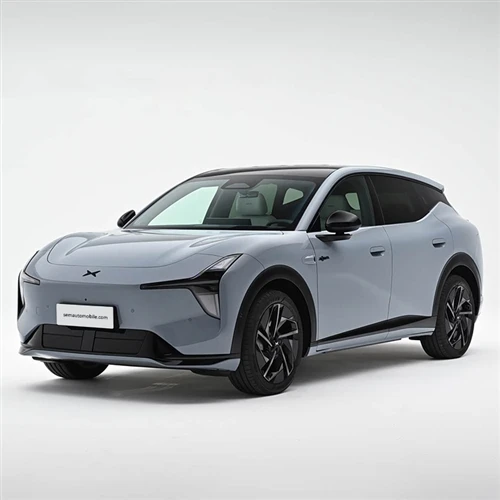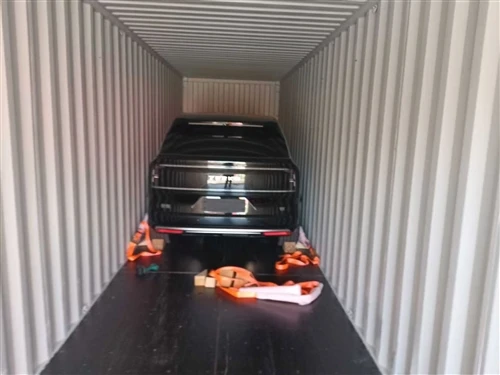
As a Chinese new energy vehicle exporter supplying left-hand drive and right-hand drive XPENG models to dealers worldwide, we get this question a lot: should I import the BEV or the EREV version of the XPENG MONA L05? Both share the same body, the same motor, and the same platform. But they serve different markets, different driving habits, and different import tax structures.
This guide breaks down the technical specs, China's export rules, and market-by-market fit so wholesale buyers can make a clearer decision.
XPENG MONA L05 Overview: A Global-Oriented Mid-Size SUV
XPENG opened pre-sales for the MONA L05 in China on October 15, 2026. Official launch is October 29.
The vehicle was designed as a global model from the start, homologated for 65 countries and regions. Both a pure electric version and a range-extended electric version are being produced simultaneously. That matters for importers because it means factory support for LHD and RHD configurations is already built into the program.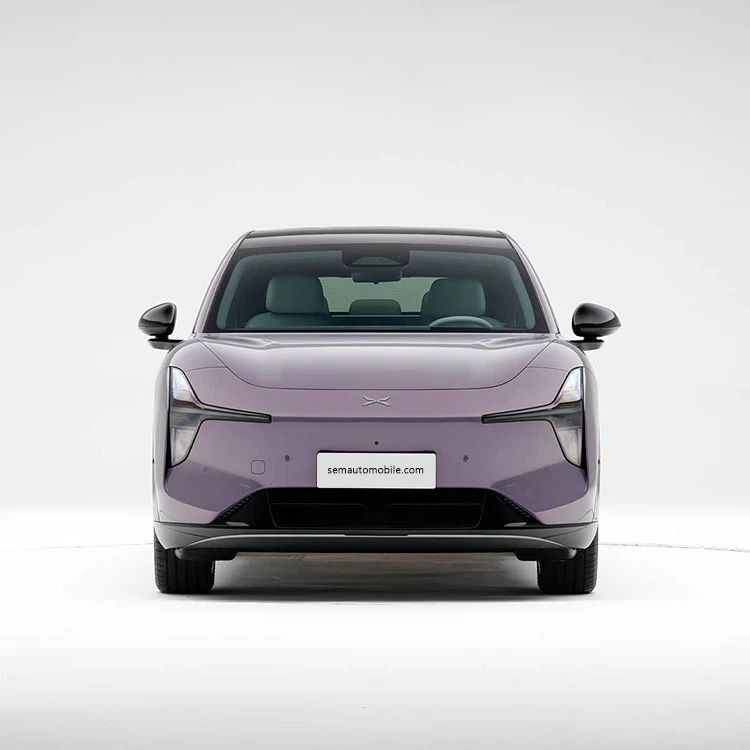
XPENG MONA L05 BEV and EREV: Shared Platform and Common Specs
The XPENG MONA L05 EV SUV and the XPENG MONA L05 EREV SUV share almost everything except the powertrain.
Both are 5-door, 5-seat mid-size SUVs. Identical dimensions: 4,870mm long, 1,930mm wide, 1,636mm tall, with a 2,940mm wheelbase. Rear-wheel drive, single permanent magnet synchronous motor, 183 kW (249 Ps), 280 Nm of torque. Cargo space runs from 702 liters to 1,913 liters with the rear seats folded. The EV version adds a 102-liter front trunk.
Suspension is MacPherson struts up front and a five-link setup in the rear, with adaptive damping as standard. Brakes are ventilated discs front and rear. Tyres are 225/60 R18 or 245/45 R20 depending on trim.
Inside, you get a 17.3-inch central touchscreen and a 26.8-inch W-HUD. The Max trim runs a single Turing AI chip (750 TOPS); the Ultra SE runs two (1,500 TOPS). Both versions support English, Bluetooth, Apple CarPlay, HUAWEI HiCar, and Carlink.
Other shared features include a panoramic glass roof, frameless doors, a power tailgate, and 50W wireless charging. The air conditioning system uses a heat pump with a PM 2.5 filter, and there's 6 kW V2L external discharge.
Safety kit includes multiple airbags, a 360-degree camera, front and rear parking radars, tyre pressure monitoring, ABS, electronic stability control, traction control, hill hold control, and electronic brake force distribution. The XNGP L2 system adds adaptive cruise, automatic emergency braking, blind spot detection, lane keeping assist, and rear cross traffic alert.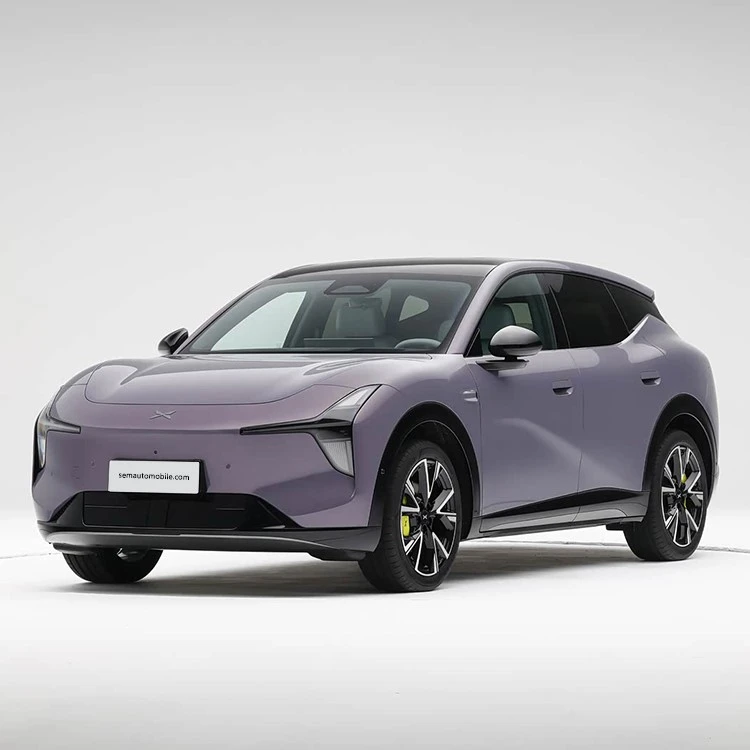
Key Differences Between BEV and EREV Powertrain
Here's where the two versions diverge.
The XPENG MONA L05 EV SUV comes with two battery options. The base Standard Range version uses a 58.2 kWh LFP pack rated at 535 km CLTC. The Long Range version uses a 71.1 kWh pack rated at 635 km CLTC. DC fast charging from 10% to 80% takes about 19.1 minutes under ideal conditions. 0-100 km/h is 6.8 to 7.3 seconds depending on trim.
The XPENG MONA L05 EREV SUV pairs a 37.2 kWh LFP battery with a 1.5L petrol engine that works only as a generator. It never drives the wheels directly. Pure electric range is 310 km CLTC (253 km WLTC). Combined range with the 42-liter fuel tank is 1,310 km CLTC. Fast charging from 10% to 80% takes about 14.7 minutes. 0-100 km/h is 6.8 seconds. Low-charge fuel consumption is listed at 5.26 L/100 km WLTC.
A note on terminology: the XPENG MONA L05 EREV SUV is technically an Extended-Range Electric Vehicle, not a traditional PHEV. However, many countries classify EREVs under the broader PHEV category for import taxation and regulatory purposes. If your customs authority uses that classification, expect the EREV to be treated as a PHEV at the border.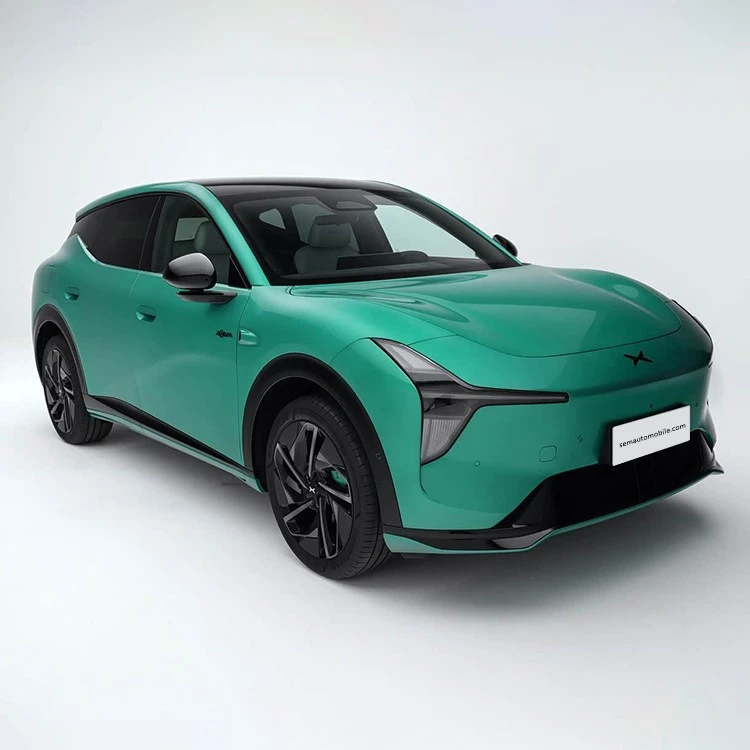
Select the Right Version Based on Local Charging Infrastructure
This isn't about which one is better. It's about which one fits the market you're selling into.
If you're targeting markets with solid home charging and public charging networks - Western Europe, Northern Europe, urban Australia - the XPENG MONA L05 EV SUV is the more straightforward choice. The 635 km CLTC range translates to roughly 450-500 km in mixed real-world driving. For daily commuting, that's a once-a-week charge. No engine, no fuel tank, no exhaust system. Lower maintenance, lighter vehicle.
If you're selling into markets where charging infrastructure is still being built out - Central Asia, parts of Southeast Asia, Africa, Latin America - the XPENG MONA L05 EREV SUV may be a more practical fit. The 310 km electric range covers daily city driving. The 1,310 km combined range means buyers don't need to rely on a charging network for longer trips. For customers without home charging, the EREV reduces range anxiety as a sales objection.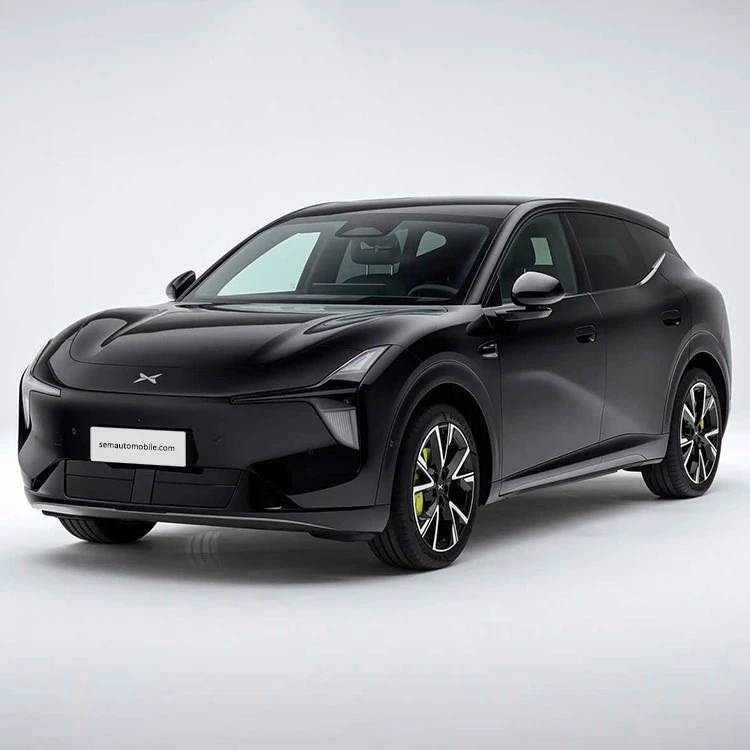
Market-by-Market Recommendation for Overseas Importers
Middle East
The EREV version is likely the stronger fit here. Charging infrastructure is improving in the UAE and Saudi Arabia, but long-distance travel still runs on petrol. The 310 km electric range covers city driving; the generator handles highway trips.
GCC certification generally takes 6–10 months. Lead times may shift due to updated local regulatory requirements, so plan your orders in advance and confirm before committing.
Central Asia
Kazakhstan introduced zero import duty for range-extended EVs starting January 22, 2026, covering multiple TN VED codes. VAT (16%) and recycling fees still apply, but zero duty cuts landed cost significantly.
Charging coverage in Central Asia remains low. The EREV's dual-fuel capability is a real advantage here. For importers looking at Kazakhstan, Uzbekistan, or Kyrgyzstan, this is a market where the XPENG MONA L05 EREV SUV makes a strong business case.
Southeast Asia
Thailand and Malaysia have decent urban charging infrastructure, so the EV version is viable. Indonesia and the Philippines have thinner coverage, making the EREV a safer bet.
Several Southeast Asian markets are RHD. Confirm RHD availability and check whether XPENG has an exclusive dealer in your target country. If an exclusive dealer exists, parallel export channels are blocked.
Australia and New Zealand
Both are RHD markets. XPENG has entered New Zealand and plans to expand in Australia. Urban charging is mature, so the 635 km EV range works for city and suburban buyers. Rural and remote areas have sparse charging, so the EREV can cover that niche.
XPENG has listed Australia as one of its five strategic markets and plans RHD versions for all new models.
Eastern and Southern Europe
Charging density varies. Some Eastern European markets have less coverage than Western Europe, so the EREV may have a stronger case in those countries.
Be aware that the EU has included EREVs in its anti-subsidy tariff scope. Calculate the duty impact before committing to a shipment.
Latin America
Charging infrastructure is generally weak across most of the region. The EREV is the practical transition option - low electric running costs without the charging dependency.
Chile, Peru, and Colombia have seen growing demand for Chinese new energy vehicles. The XPENG MONA L05 EREV SUV fits that demand profile well.
Africa
Charging coverage is low in most African markets. The EV version works as a second car or city commuter. The EREV's combined range is a clearer advantage for buyers who need one vehicle to handle everything.
South Africa, Kenya, and Tanzania are the markets to watch. Each has its own certification requirements, so factor those into your timeline.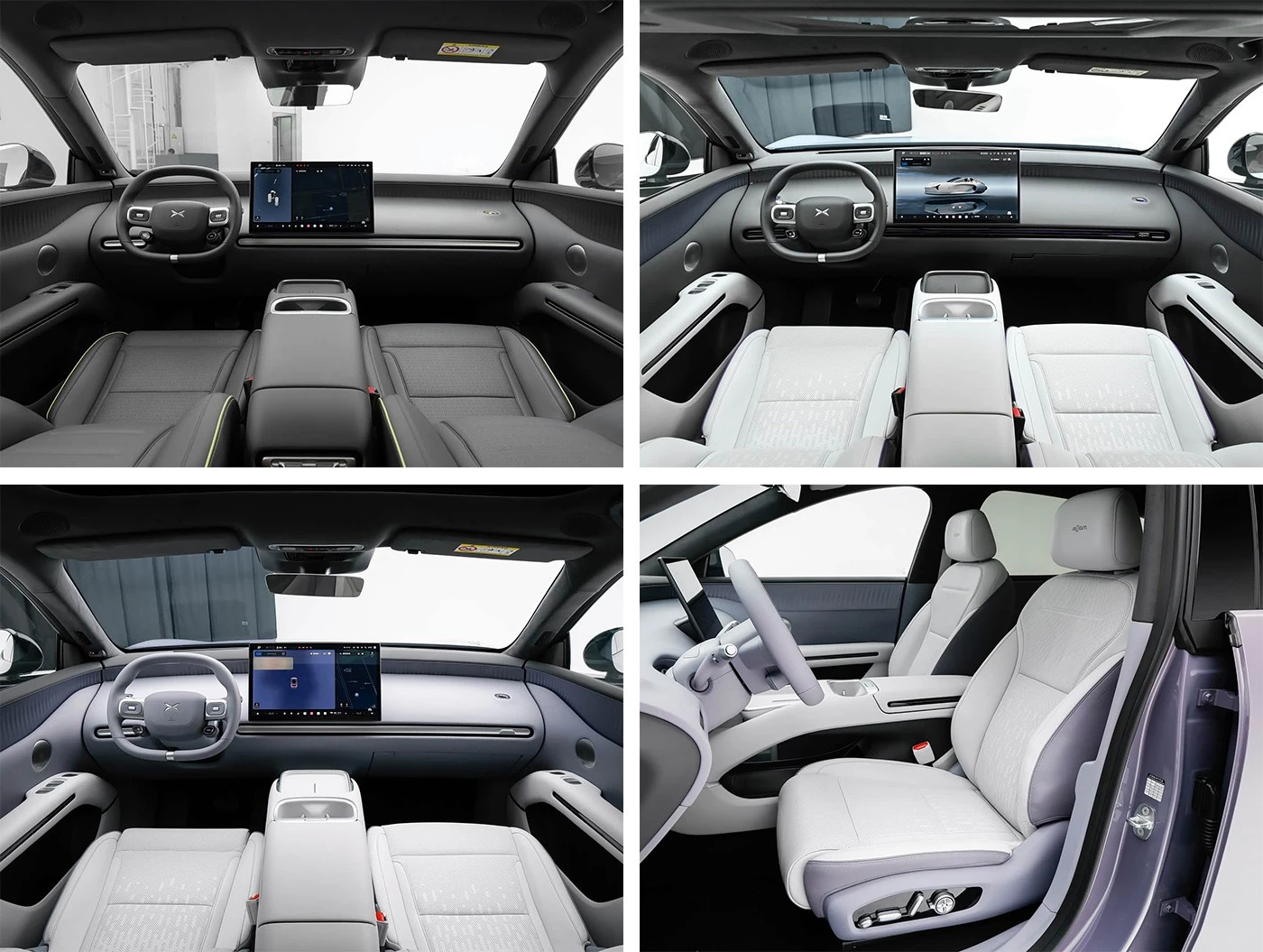
Critical China Export and Tax Rules You Must Know
The export environment in 2026 is different from previous years.
- Export license requirement. Starting January 1, 2026, pure electric passenger vehicles require an export license. Exporters must hold brand authorization from the manufacturer. Trading companies without authorization cannot legally export EVs from China.
- The 180-day rule. Any vehicle exported as "used" before being registered for 180 days needs an after-sales service confirmation letter from the original manufacturer. New vehicles exported through a brand-authorized channel are exempt. They can be declared for export directly, with no 180-day wait.
- VAT export rebate change. On October 12, 2026, China's Ministry of Finance announced that the rebate for new energy vehicles will drop from 13% to 9% starting April 1, 2027. This covers 67 product categories, including both BEVs and EREVs. The 4-point difference equals roughly RMB 6,000 per vehicle in lost rebate. Orders cleared before April 1, 2027, still get the 13% rate. That's a clear window.
RHD Supply and Exclusive Dealer Restrictions
The XPENG MONA L05 EV SUV and XPENG MONA L05 EREV SUV are available in both left-hand drive and right-hand drive. But RHD isn't a free-for-all.
XPENG has established exclusive dealer networks in some RHD markets. If your market already has an exclusive XPENG dealer, parallel export channels cannot supply you.
XPENG's current RHD footprint includes the UK (partnership with IML, planning 20 dealer sites), Australia, New Zealand, and parts of Southeast Asia. They also plan to set up RHD assembly in Malaysia to cover the ASEAN RHD market.
Before you commit, confirm whether XPENG has an exclusive dealer in your target market. If not, parallel export is viable.
Minimum order quantity: LHD starts at one unit. RHD is a factory order with a minimum of three units.
Practical Steps to Evaluate XPENG MONA L05 for Import
- Confirm market fit. What's the charging situation in your market? If urban charging coverage is decent, the EV is a strong choice. If the network is still thin, the EREV is likely more practical.
- Confirm LHD or RHD. For RHD markets, check for an XPENG exclusive dealer first. If one exists, parallel export is off the table.
- Calculate landed cost. The EREV gets zero import duty in Kazakhstan, but VAT and recycling fees still apply. The EV faces 5% duty in the Middle East. Tax structures vary widely. CIF price is just the starting point.
- Watch the rebate window. If you can clear customs before April 1, 2027, you lock in the 13% rebate. For non-EU markets, the window is open now. Earlier orders are better.
- Ask for VIN and inspection. Brand-authorized exports should come with full VINs and pre-shipment video verification. If a supplier can't provide that, be cautious.
Final Takeaway
The XPENG MONA L05 EV SUV and the XPENG MONA L05 EREV SUV are aimed at different markets and different use cases. The EV fits markets with mature charging infrastructure. The EREV fits markets where charging is still developing.
They share the same body and motor. The core difference is battery size and whether there's a generator on board.
Which one you choose depends on your market's charging conditions, your customers' driving habits, and your import tax structure. With the export rebate window closing in April 2027, if you have a firm purchase plan, clearing customs before that date locks in the higher rebate.
FAQ
Q: What is the difference between the XPENG MONA L05 EREV SUV and a traditional PHEV?
A: The XPENG MONA L05 EREV SUV uses a 1.5L petrol engine only as a generator. The engine never drives the wheels. A traditional PHEV allows the engine to drive the wheels directly. However, many countries classify EREVs under the broader PHEV category for import taxation and regulatory purposes.
Q: Can the XPENG MONA L05 EREV SUV be parallel exported to right-hand drive markets?
A: It depends on whether XPENG has an exclusive dealer in your target market. If an exclusive dealer exists, parallel export is not possible. If not, RHD factory orders start at three units.
Q: What is the real-world pure electric range of the XPENG MONA L05 EREV SUV?
A: CLTC ratings are optimistic. In mixed city driving with air conditioning on, expect around 230 to 260 km of pure electric range from the 310 km CLTC figure. Highway range at steady speed is closer to 200 km.
Q: How long does charging take on the XPENG MONA L05 EV SUV?
A: Fast charging from 10% to 80% takes about 19.1 minutes under ideal conditions. Actual time depends on charger power and battery temperature.
Q: Does the XPENG MONA L05 EV SUV support English?
A: The infotainment system is in English. Most mid-range and above models have a Chinese and English bilingual system without flashing. Minority languages such as Polish or Arabic usually require a paid software upgrade.
Q: Can the XPENG MONA L05 EV SUV be exported to Europe?
A: New vehicles cannot be supplied to EU countries because most China standard vehicles do not have an EU COC certificate. Zero kilometre used vehicles may be exported to EU countries, but require a 180-day wait.
Q: What warranty applies to the XPENG MONA L05 EV SUV after export?
A: Our vehicles are parallel exports in China standard. Once the XPENG MONA L05 EV SUV leaves China, the domestic warranty no longer applies. There is no manufacturer global warranty after export. We can supply spare parts in original factory packaging.